Before interpreting milestones, syntax, or expressive language patterns — learn what’s typical within the child’s home language and cultural context. That’s the foundation of culturally humble and safe practice. Why This Step Matters Speech-language assessments often...
Speech-language therapy practices are never neutral. Our assessment tools, developmental norms, and intervention models are rooted in Western, individualistic frameworks that may not fit every child or family we meet. Our Practices Are Culturally Situated...
Dynamic Assessment in Speech Therapy: Cultural Responsiveness and Strategies Dynamic assessment in speech therapy is a powerful method for evaluating multilingual and multicultural children in a more comprehensive and individualized way. In a recent conversation,...
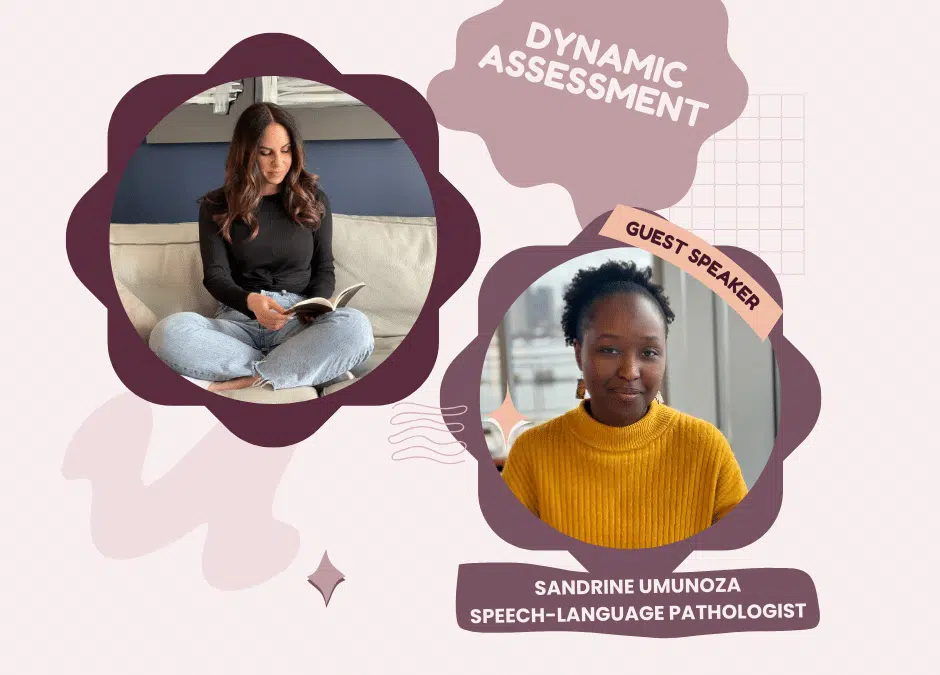
Dynamic Assessment in Speech Therapy: Approaches for Multilingual Families Working with multilingual and multicultural families presents a unique challenge for speech therapists. Melissa Farkouh and Sandrine Umunoza share their experiences and discuss the importance...
Dynamic Assessment in Speech Therapy: Approaches and Techniques In a recent lunch and learn between Melissa Farkouh and Ingrid Owens-Gonzalez, a speech therapist, they explore dynamic assessment and its importance in the field of speech therapy. They define...
The Crucial Role of Tier 2 Vocabulary in Bilingual Children “You’ve surely heard it before: ‘Children absorb languages like sponges.'” However, this commonly held belief can be misleading, as it doesn’t address two key skills children need to...